

Prostate cancer is a common cancer that affects the prostate gland, which is part of the male reproductive system. It typically grows slowly and can often be treated successfully when detected early. However, in some cases, it can be aggressive and spread to other parts of the body.
Knowing the facts about prostate cancer is crucial because early detection and appropriate screening can significantly improve outcomes. Understanding your risk factors, screening options, and available treatments can help you make informed decisions about your prostate health.
Urology Centers of Alabama offers advanced prostate cancer screening and testing options, including IsoPSA®, a next-generation blood test that can provide additional information about the risk of high-grade prostate cancer in appropriate patients with an elevated PSA.

By the Numbers
The American Cancer Society‘s estimates for prostate cancer in the United States for 2026 are:
- Approximately 333,830 new cases of prostate cancer
- About 36,320 deaths from prostate cancer
The number of prostate cancer diagnoses decreased significantly from 2007 to 2014, largely due to changes in screening recommendations that led to fewer men being screened. However, since 2014, the incidence rate has been rising by 3% annually overall and by about 5% annually for advanced-stage prostate cancer.
Risk of Getting Prostate Cancer
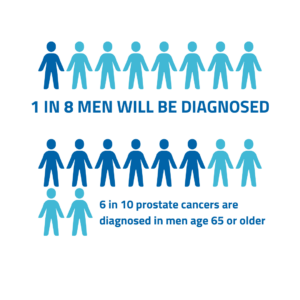
Approximately 1 in 8 men will be diagnosed with prostate cancer at some point in their lives. However, an individual’s risk can vary depending on factors such as age, race, and ethnicity.
Prostate cancer is more commonly found in older men, with about 60% of cases diagnosed in those aged 65 and older, and it is rare in men under 40. The average age at diagnosis is around 67.

Race/Ethnicity Factors
Prostate cancer is more prevalent in African American men and Caribbean men of African descent than in men of other races. Additionally, when prostate cancer does develop in these men, it often occurs at a younger age.
Conversely, prostate cancer is less common in Asian American, Hispanic, and Latino men compared to non-Hispanic White men. The underlying causes of these racial and ethnic disparities remain unclear.

Deaths from Prostate Cancer
Prostate cancer is the second-leading cause of cancer death among American men, surpassed only by lung cancer. Approximately 1 in 44 men will die from prostate cancer.
The Good News
While prostate cancer can be serious, most men diagnosed with the disease do not die from it. In fact, more than 3.3 million men in the United States who have been diagnosed with prostate cancer are still alive today.
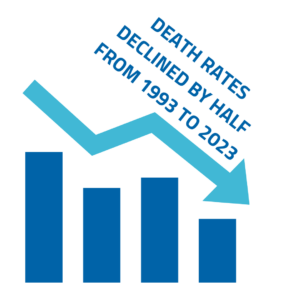
From 1993 to 2013, the death rate from prostate cancer decreased by about half, likely due to earlier detection and improvements in treatment. However, in recent years, the death rate has stabilized, possibly due to an increase in cases being diagnosed at a more advanced stage.
*All data was sourced from the American Cancer Society’s “Key Statistics for Prostate Cancer” page. American Cancer Society. Cancer Facts & Figures 2026. Atlanta: American Cancer Society; 2026.
Get Screened, Detect it Early
Early detection can be done through a few different methods. The most common methods for early detection include:
- Prostate-Specific Antigen (PSA) Test: This blood test measures the level of PSA, a protein produced by the prostate gland. Elevated PSA levels can indicate the presence of prostate cancer, although other conditions like benign prostatic hyperplasia (BPH) or inflammation can also cause elevated levels.
- Digital Rectal Exam (DRE): During a DRE, a healthcare provider manually examines the prostate by inserting a gloved, lubricated finger into the rectum. They feel for any abnormalities in the size, shape, or texture of the prostate that might indicate cancer.
- Regular Screenings: Men should discuss with their healthcare provider when to begin regular screenings based on their risk factors, such as age, family history, and race. For example, men with a higher risk, like African American men or those with a family history of prostate cancer, might start screenings earlier than others.
- Imaging and Biopsy: If screening tests indicate potential issues, further testing such as imaging (like an MRI) or a prostate biopsy may be recommended to confirm the presence of cancer.
Regular screening is key because prostate cancer often develops slowly and may not cause noticeable symptoms until it is more advanced. Early detection through these methods can help catch the disease at a stage when it is more treatable and manageable.
Schedule an appointment with one of our many Urologists today to get screened.
Next-Generation Prostate Cancer Testing is Here
Urology Centers of Alabama Now Offers IsoPSA®
When a PSA result is elevated, the next step isn’t always clear. Urology Centers of Alabama now offers IsoPSA®, an FDA-approved blood test designed to provide additional information that can help your urologist assess the risk of high-grade prostate cancer.
Unlike a traditional PSA test that measures the amount of prostate-specific antigen in the blood, IsoPSA evaluates different forms of PSA to provide a more detailed assessment of cancer risk.
More Information. More Confident Decisions.
For appropriate patients, IsoPSA can provide valuable additional information when determining whether further evaluation, including a prostate biopsy, should be considered.
IsoPSA is FDA-approved for use alongside other clinical information to aid in the detection of high-grade prostate cancer in men age 50 and older with PSA levels between 4 and 10 ng/mL who are being considered for prostate biopsy.
IsoPSA does not diagnose prostate cancer, and a prostate biopsy is required for a definitive cancer diagnosis.
Ask Your UCA Urologist About IsoPSA
If you have an elevated PSA or are concerned about your prostate cancer risk, talk with your UCA urologist about whether IsoPSA testing may be appropriate for you.
Schedule an appointment today and learn more about the next generation of prostate cancer testing available at Urology Centers of Alabama.